On the global economic consequences of the Iran conflict, the Strait of Hormuz, dollar dominance and the shifting China-Russia-Iran alliance
The war in Iran is a reminder that the analytical silos investors rely on are breaking down.
Much market commentary still treats economics, geopolitics, military risk, politics and technology as separate domains, to be consulted sequentially. In calmer times that habit was merely incomplete. In today’s environment it is increasingly dangerous.
Consider the present conflict. The immediate market response has been familiar: oil prices, shipping risk in the Gulf, inflation expectations and central-bank reaction functions. All of that matters. But it is only the first layer.
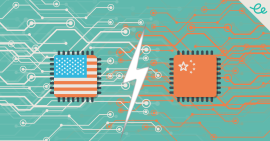
The more consequential effects sit one step further out. The conflict is altering the strategic balance between the United States and China, strengthening the Iran-China-Russia alignment, reshaping energy leverage, and forcing countries from Saudi Arabia to Taiwan to reconsider their positions. Those shifts will matter far more for markets over the coming year than the first spike in oil.
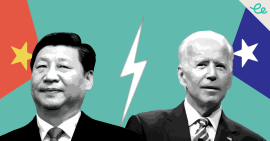
I explored some of these second-order effects in a recent piece for Barron’s – “How the War in Iran Changes the U.S.–China Calculus” – which argues that the conflict may materially alter the leverage Washington and Beijing bring to their next round of trade negotiations. At stake, ultimately, is something larger than trade terms: the dollar’s dominance in global energy markets and the pace at which the yuan gains strategic ground.
For investors, the key point is that Iran is not merely a Middle Eastern crisis. It is a stress test of the geopolitical and financial architecture underpinning China’s strategic ambitions.
This is precisely why the old analytical divisions no longer work. If you approach this episode purely through a macroeconomic lens, you see an oil shock. Through a geopolitical lens, you see escalation dynamics in the Middle East. A military analyst focuses on deterrence and capability; a technology analyst on supply chains and infrastructure vulnerabilities. Each perspective captures something real. None, on its own, captures the system.
To understand markets now, the pieces have to be assembled together.
I have been analysing China for more than twenty-five years, and this was originally the necessity of the work. China’s economy cannot be understood without understanding the Communist Party, the state’s strategic objectives, technological competition, security priorities and capital allocation. What began as the challenge of a global economist trying to make sense of China has, since the global financial crisis, increasingly become the reality of the entire global system.
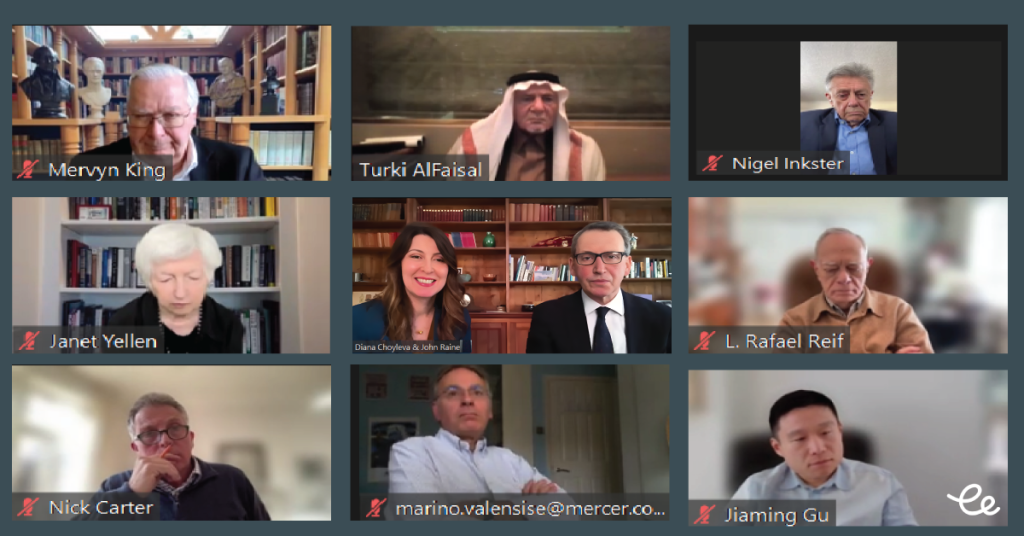
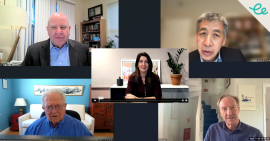
It is also the thinking behind Enodo Consilium, a new forum for cross-disciplinary discussion of the forces shaping markets. The premise is straightforward: the most important questions investors face today no longer sit neatly within any single discipline. The Consilium brings together senior figures from economics, intelligence, defence, technology and investing – including former U.S. Treasury Secretary Janet Yellen, former Bank of England Governor Sir Mervyn King, former MI6 chief Sir Alex Younger, former UK Chief of the Defence Staff General Sir Nick Carter, Bain Global Chair Orit Gadiesh and investor Jonathan Ruffer – not to replicate what any one of them does alone, but to work at the intersections where markets are actually being shaped.
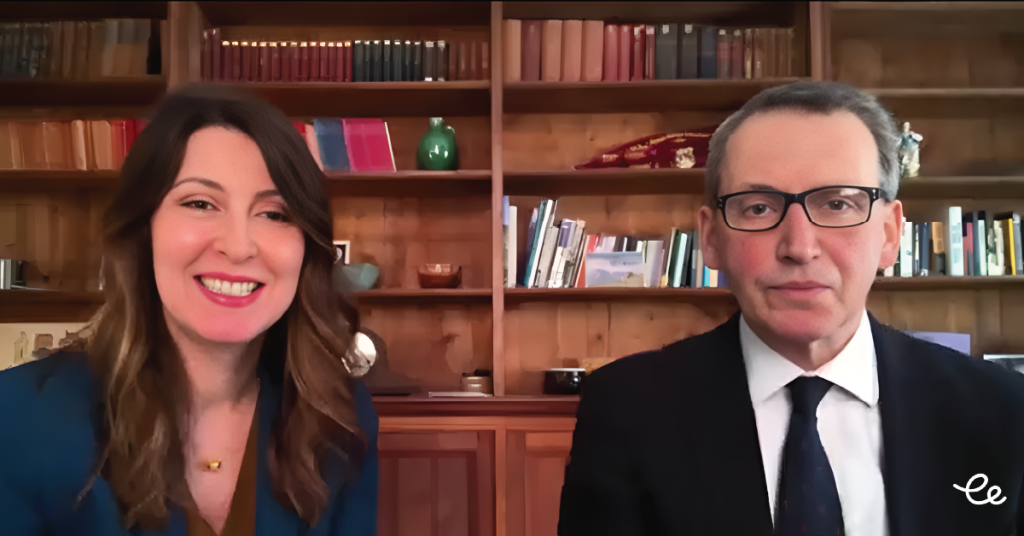
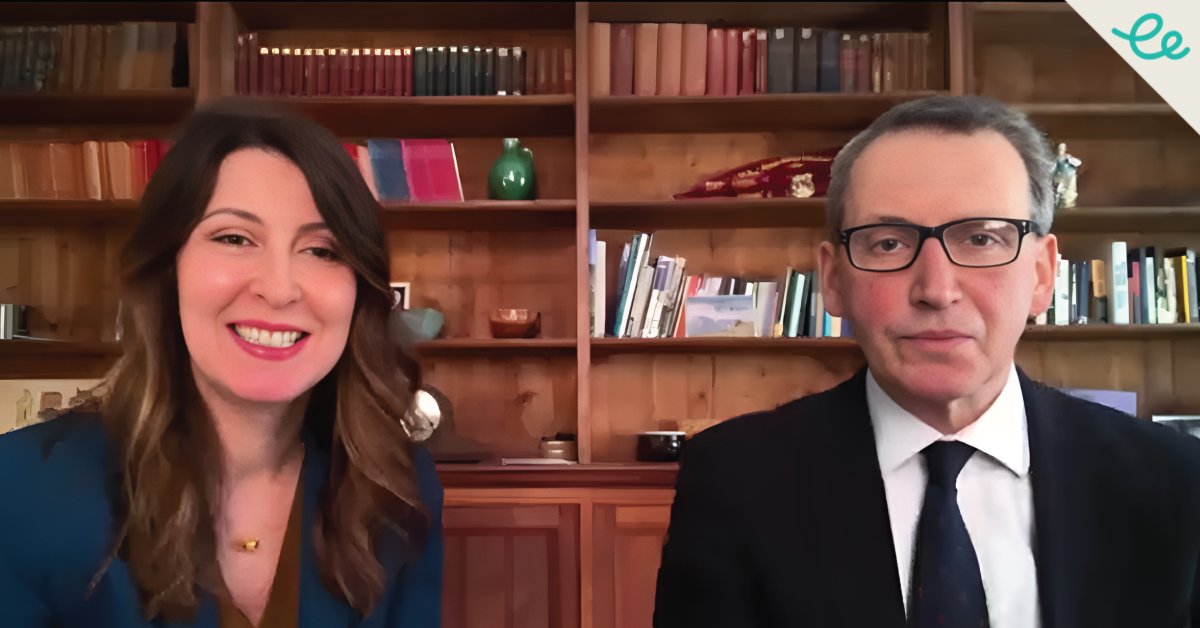
The Consilium’s inaugural session, held on 3 March, examined “Iran, Oil, and the Dollar.” The design reflects the Consilium’s philosophy: I questioned John Raine – one of the world’s foremost authorities on Iran and the Middle East – before moderating a discussion in which members drew on their own fields to work through the strategic and market consequences together. The expert provides the depth; the council provides the breadth.
The timing now looks prescient, and that is the point. We will not always get it right. But identifying the fault lines early enough, and frequently enough, is what serious strategic analysis is for. The session’s focus on energy markets, global energy security, geopolitics and financial architecture reflected exactly that kind of early recognition – a theme I had already explored in my 2025 book ‘’Petrodollar to Digital Yuan: China, the Gulf and the 21st Century Path to Dedollarization.“
That, in truth, is the broader lesson. The analytical edge does not come from reacting quickly once a crisis reaches the front pages. It comes from recognising in advance which structural tensions matter, and from having a framework broad enough to understand how they interact when pressure builds.
Iran illustrates this clearly. The market implications do not stop at crude prices. They extend to inflation expectations, central-bank policy, the security of the Strait of Hormuz, Gulf politics, U.S. strategic bandwidth and the evolving balance of power with China. Any serious attempt to understand the investment consequences has to range across all of them.
The right question is no longer simply “What does this mean for oil?” It is: what does this reveal about the system? Which constraints are tightening? Which assumptions are breaking? Which linkages have suddenly become market-relevant?
Those are the questions I built Enodo to answer.
Diana Choyleva, Founder and Chief Economist of Enodo Economics
Unlock Critical Insights
Gain exclusive access to Enodo’s analysis and expert network, and understand how this issue will reshape your world. Register for Trial Access to our premium research — or book Diana as a speaker for your next event.